Born to Farm Forced to Go to School SVG Review
As a professional embroidery designer and product reviewer, I approach every new digital asset with a critical eye toward its final stitched reality. When evaluating the Born to Farm Forced to Go to School SVG, my primary concern is not just how the vector lines look on a screen, but how they will translate into thread on fabric. This design captures a specific, relatable humor that resonates deeply with agricultural families and rural communities. However, translating that sentiment into a high-quality handmade product requires understanding the interplay between the graphic's personality and technical embroidery constraints.
Capturing Rural Humor Through Stitch and Line
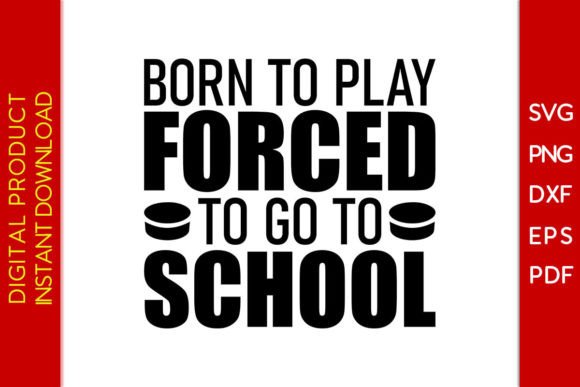
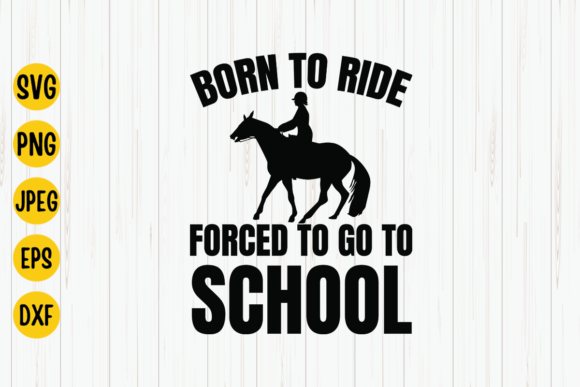
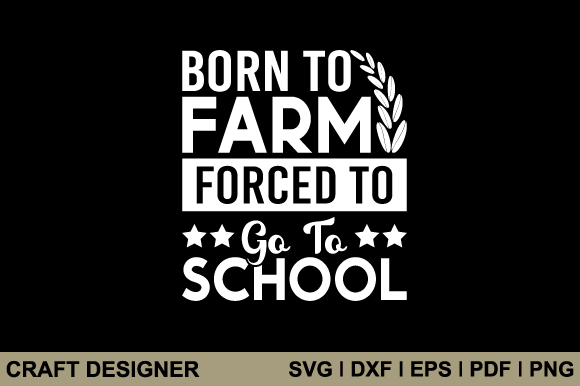
The first impression of this machine embroidery design is one of nostalgic rebellion. It balances a rustic, farmhouse aesthetic with a playful complaint about formal education. Visually, the layout suggests a bold statement piece rather than a subtle accent. For an Etsy seller or craft business owner, this mood is gold. It targets a niche audience that values authenticity over polish. The typography likely carries a hand-lettered or vintage serif weight, which implies that the embroidery file was created with intention. In my experience, designs with this level of character perform best when treated as the focal point of a garment or accessory, rather than being buried among other elements.
When I review Graphics in the Crafts category, I look for versatility. This design naturally lends itself to back-of-hoodie placements, center-chest sweatshirts, or the front panel of a canvas tote bag. The phrase itself invites conversation, making it an ideal candidate for personalized gifts where the recipient’s identity is tied to their land and lifestyle. As a reviewer, I appreciate that the sentiment is specific; generic farm designs often lack this emotional hook, which is what ultimately drives buyer engagement and customer trust in a small shop setting.
Real-World Application: The Custom Sweatshirt Test
To truly evaluate this asset, I mentally placed it in a real-life production scenario: creating a custom embroidered crewneck sweatshirt for a local FFA alumni fundraiser. This context tests both the aesthetic appeal and the technical viability of the Born to Farm Forced to Go to School SVG. A sweatshirt presents unique challenges due to fleece texture and stretch, making it the perfect stress test for any digital embroidery file.
In this scenario, the design needs to hold its own against the napped surface of the fleece. If the lettering relies solely on thin running stitches, it risks getting lost in the fabric pile. I would be looking for adequate column width in the satin stitch elements or a robust fill stitch background to ensure legibility. For a sweatshirt embroidery project like this, the design must communicate clearly from a distance. If the "Forced to Go to School" portion uses intricate script that becomes illegible when scaled down for a youth size, the design fails its commercial purpose. This practical assessment helps determine if the file is suitable for bulk production or if it requires digitizing adjustments before hitting the start button.
Technical Considerations for Apparel and Accessories
While the charm of this design is undeniable, successful execution depends heavily on material selection and hooping strategy. Not every substrate is a safe harbor for detailed text-based graphics. Here are my practical observations on where to use this design carefully:
- Textured Fabrics: On terry cloth towels or heavy canvas, fine details can disappear. If the design includes small decorative accents around the main text, consider using a water-soluble topping to prevent stitches from sinking into the weave.
- Stretchy Knits: For baby clothes or lightweight tees, dense stitch areas can cause puckering. Always pair this embroidery project with appropriate cut-away stabilizer to maintain the integrity of the garment shape.
- Curved Surfaces: If adapting this for caps or hats, verify the vertical height. Text-heavy designs often require re-digitizing to fit the limited sewing field of a curved brim without distorting the baseline.
- Dark vs. Light Fabric: High contrast is non-negotiable. White thread on a navy sweatshirt reads beautifully, but low-contrast combinations will diminish the visual impact. Test your thread colors against the specific fabric batch before committing to a full run.
Furthermore, consider the end-use of the finished product. Items destined for frequent washing, such as kitchen towels or children's apparel, require secure anchoring stitches. If the Born to Farm Forced to Go to School SVG features open, airy lettering, ensure the tie-offs are sufficient to withstand industrial laundering without unraveling.
Elevating Product Value and Brand Consistency
For creative entrepreneurs, the choice of design assets directly influences perceived value. Using a well-executed version of this graphic signals professionalism. When customers see clean registration, balanced spacing, and appropriate density, they associate those qualities with your brand. A sloppy stitch-out suggests a lack of care, whereas a crisp rendition of this humorous phrase reinforces your reputation as a skilled maker.
This design also offers excellent opportunities for merchandising beyond apparel. Consider how it might function as an embroidered patch for denim jackets or backpacks. Patches allow you to utilize denser stitch counts without worrying about garment distortion, making them a safer bet for complex versions of this artwork. Additionally, the included PNG format is invaluable for creating printable mockups. Before stitching a single sample, you can overlay the high-resolution image onto digital product photos to gauge market interest. This workflow saves time and materials, allowing small shop product lines to expand with minimal risk.
Essential Designer Notes Before You Stitch
Before integrating the Born to Farm Forced to Go to School SVG into your commercial or personal workflow, adhere to these professional best practices to ensure success:
- Verify File Contents: Upon downloading, extract the zip folder immediately. Confirm you have the SVG, DXF, EPS, PDF, and PNG files. While these are vector and raster formats ideal for cutting machines and printing, remember that machine embroidery typically requires PES, DST, JEF, or similar formats. If your machine does not read SVG directly, you may need conversion software or a pre-digitized embroidery version.
- Test on Scrap First: Never assume a digital file is production-ready without a physical test. Stitch out the design on a scrap of your actual project fabric to check for registration issues, density problems, or sizing discrepancies.
- Check Licensing Terms: Before selling finished items or digital products featuring this design, confirm the license allows for commercial embroidery. Protecting your business starts with respecting intellectual property rights.
- Review Stabilizer Pairings: Match your backing to the fabric weight. Lightweight tear-away for stable wovens, cut-away for knits, and adhesive sprays for hard-to-hoop items like socks or sleeves.
- Mockup Validation: Use the provided PNG to create realistic previews for your listings. Ensure the digital representation matches the stitched outcome to avoid customer disappointment regarding detail levels or color accuracy.
Ultimately, the Born to Farm Forced to Go to School SVG represents more than just a collection of vectors; it is a vessel for storytelling within the maker community. By approaching it with technical diligence and creative respect, you transform a simple digital download into a cherished, tangible expression of rural life. Whether you are crafting a personalized gift for a farmer's child or building a seasonal collection for your boutique, let practical judgment guide your needle. The result will be a product that honors both the design's intent and your craftsmanship.