Kindergarten Teacher SVG in Progress Cut Review
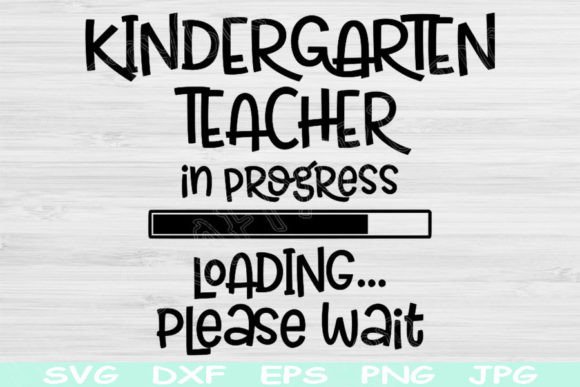
As a professional embroidery digitizer and product reviewer, I approach every new machine embroidery design with a critical eye for how it will actually perform under the needle. When evaluating the Kindergarten Teacher Svg in Progress Cut, my first thought wasn't just about the cute sentiment; it was about stitch integrity and marketability. This design captures a specific, relatable humor that resonates deeply with educators and parents alike. The phrase "Kindergarten Teacher in Progress Loading Please Wait" taps into a universal feeling of exhaustion and dedication, making it more than just a graphic—it is a conversation starter. However, translating this digital asset into a tangible handmade product requires careful consideration of layout, density, and fabric choice to ensure the final result looks professional rather than homemade.
First Impressions and Design Personality
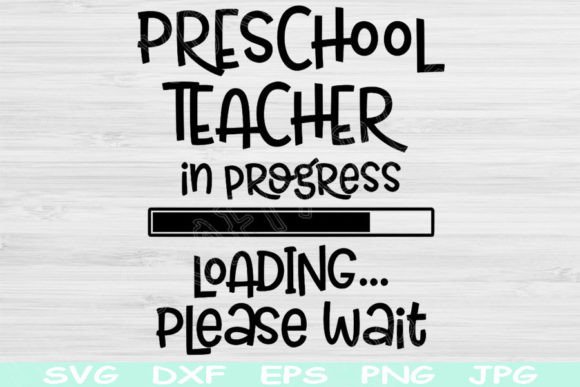
Visually, the Kindergarten Teacher Svg in Progress Cut strikes a balance between playful typography and clean structure. For an Etsy seller or small shop product creator, this aesthetic is gold because it photographs well in mockups and translates clearly when stitched. The loading bar motif provides a natural horizontal anchor, which helps stabilize the design during the embroidery process. From a designer’s perspective, I appreciate that the text hierarchy seems intentional. In embroidery, legibility is everything. If the words "in progress" or "please wait" are too small, they risk becoming illegible blobs of thread on textured fabrics. This design appears optimized for readability, suggesting it would work beautifully as a center chest placement on a sweatshirt or a bold statement on a tote bag.
The mood is lighthearted yet appreciative. It avoids being overly cutesy, which expands its demographic reach beyond just nursery decor to include adult apparel and staff gifts. As a digital embroidery file, it holds potential for both personal projects and commercial embroidery ventures, provided the user verifies licensing terms before selling finished goods.
Real-World Application: The Custom Sweatshirt Test
To truly judge this embroidery project, I mentally placed it in a real-life production scenario: creating a custom crewneck sweatshirt for a teacher appreciation gift or a boutique holiday drop. Sweatshirts are typically made of fleece or French terry, fabrics that have loft and texture. When stitching the Kindergarten Teacher Svg in Progress Cut on these materials, the primary challenge is preventing the stitches from sinking into the pile.
In this scenario, I would treat this as a mixed-media opportunity. If the file includes elements suitable for an applique design, using a smooth cotton fabric for the background of the loading bar could provide necessary contrast against the fuzzy sweatshirt material. If it is entirely stitched, I would verify the stitch density. A design meant for apparel shouldn't be bulletproof; it needs to drape. I’d look for a combination of satin stitch borders and lighter fill stitch interiors to keep the garment wearable. For the smaller text like "please wait," a sturdy running stitch or bean stitch is preferable to satin columns, which can become too narrow and cut through knit fabrics.
This specific use case highlights why testing is non-negotiable. A design that looks crisp on screen might require a heavier stabilizer or a topping like water-soluble film to prevent distortion on fleece. Seeing the Kindergarten Teacher Svg in Progress Cut successfully executed on a sweatshirt creates immediate value for customers looking for cozy, relatable custom apparel.
Navigating Fabric Limitations and Hoop Constraints
While versatile, this design demands respect for technical limitations. I advise caution when attempting this on highly stretchy performance wear or very thin baby clothes without significant modification. The horizontal span of a "loading" concept often requires a wider hoop size. If you attempt to shrink this design down to fit a 4x4 hoop for a baby embroidery project or a sleeve cuff, the lettering may become too dense or small to stitch out cleanly. Tiny text is the enemy of durability; threads can break, and letters can merge.
For tote bag design applications, specifically on canvas, the Kindergarten Teacher Svg in Progress Cut performs exceptionally well because canvas provides a stable foundation. However, if you are working with dark fabrics, consider how thread colors interact. White thread on navy canvas is classic, but if the design relies on subtle shading or multiple colors, ensure there is enough contrast for the joke to land visually. On curved surfaces like caps, the horizontal loading bar might distort unless the design has been specifically digitized for cylindrical hooping. Always check the file specifications before purchasing if your primary goal is hat embroidery.
Elevating Product Value and Customer Trust
For creative entrepreneurs, the way you present this embroidery file matters as much as the stitching itself. Using high-quality printable mockup templates that feature this design helps buyers visualize the end result. When I review design assets, I look for consistency. Does the font style match the kindergarten theme? Is the spacing even? These details signal professionalism.
When selling a finished product featuring the Kindergarten Teacher Svg in Progress Cut, clear photography of the actual stitch-out builds trust far better than a digital rendering alone. Customers want to see how the satin stitch lays down and whether the design puckers. Demonstrating that you have tested the design on various fabric texture types reassures buyers of quality. Furthermore, understanding where this design fits in the market—whether as a personalized gift for a student teacher, a funny apron for a classroom volunteer, or part of a cohesive holiday embroidery collection—helps in writing compelling product descriptions that convert browsers into buyers.
Essential Designer Notes for Success
Before you load this file into your machine or list it in your shop, run through this practical checklist derived from professional experience:
- Test Stitch First: Never run the Kindergarten Teacher Svg in Progress Cut directly on a final product without a test run on similar scrap fabric. Check for registration issues between the text and the loading bar graphic.
- Verify Stabilizer Pairing: Match your stabilizer to the fabric weight. Use cut-away for knits and tear-away for wovens. For intricate details in this design, consider a wash-away topping to maintain crisp edges.
- Check Licensing: Confirm whether the file allows for commercial use of physical items versus digital redistribution. This distinction is vital for Etsy seller compliance and protecting your business.
- Assess Thread Contrast: View the design in black and white before stitching. If the values are too similar, the "loading" effect may get lost. Adjust thread colors to maximize visual impact.
- Review Small Details: Inspect the smallest text elements. If they are under 4mm tall, they may need to be resized or simplified to prevent needle breaks or poor coverage.
- Mockup Accuracy: Ensure your printable mockup reflects the true proportions of the design. Misleading scale can lead to customer dissatisfaction and returns.
- Fabric Compatibility: Be honest in your listings about which fabrics work best. If the design is too dense for lightweight jersey, state that clearly to guide makers toward appropriate craft business decisions.
The Kindergarten Teacher Svg in Progress Cut is a charming addition to the Crafts and Graphics categories, offering genuine emotional connection through humor. By applying professional scrutiny to stitch types, fabric choices, and presentation, you transform a simple digital file into a premium embroidered patch, apparel piece, or gift that stands out in a crowded marketplace. Whether you are a hobbyist making a gift for a friend or a business owner scaling up production, treating this design with technical respect ensures the final output honors both the maker's skill and the teacher's hard work.