The Influence of a Teacher SVG: An Embroidery Review
As a professional embroidery digitizer and product reviewer, I approach every new graphic asset with a specific question: will this translate beautifully from screen to stitch? When evaluating The Influence of a Teacher Svg Cut File, my assessment goes far beyond the digital preview. While this product is categorized under Crafts and Graphics as a versatile vector file, my focus is strictly on its viability as a foundation for high-quality machine embroidery. The sentiment behind this design is powerful, but in our industry, emotion must be matched by technical execution to create a sellable or giftable finished product.
First Impressions and Emotional Resonance
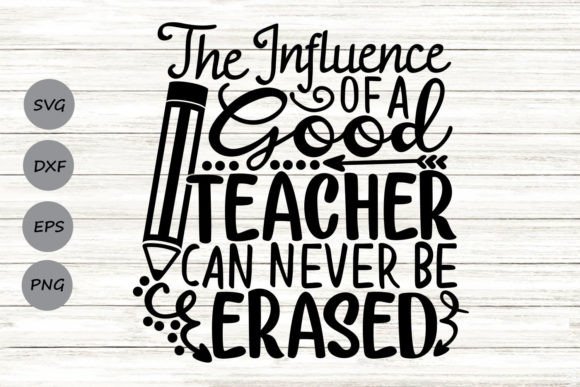
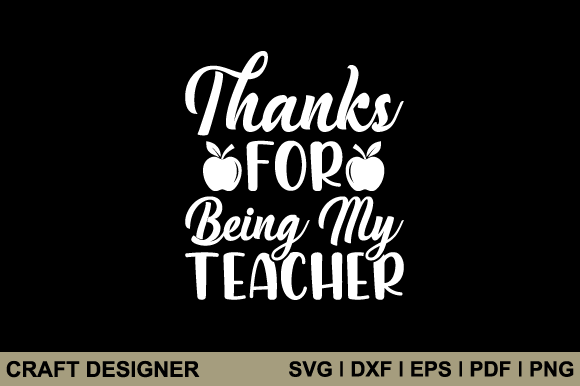
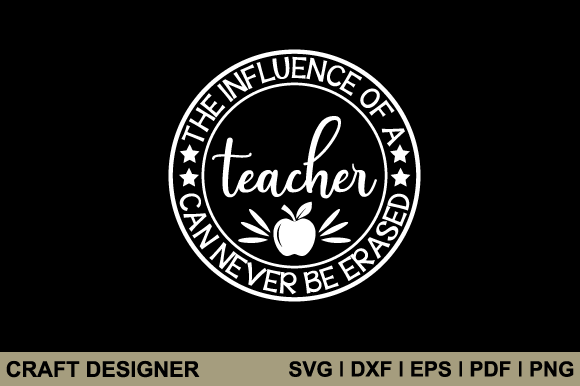
Upon extracting the zip folder and reviewing the included SVG, DXF, EPS, PDF, and PNG formats, the immediate strength of this design is its narrative clarity. It does not rely on overly complex flourishes that might get lost in translation during the digitizing process. Instead, it offers a clean, legible layout that speaks directly to the appreciation of educators. For an embroidery designer, this visual simplicity is actually a major advantage. It suggests that when converted into a machine embroidery design, the text will remain crisp and the overall composition will not become too dense for standard fabrics.
The mood is respectful and warm, making it an ideal candidate for personalized gifts rather than generic merchandise. In my experience, designs with this level of thematic focus perform best when they are treated as premium custom apparel or boutique items rather than mass-produced craft fair fillers. The visual personality feels authentic, which is crucial for building customer trust when selling handmade products on platforms like Etsy.
Real-World Application: The Custom Sweatshirt Test
To truly judge the utility of The Influence of a Teacher Svg Cut File, I mentally applied it to a current client request: a custom embroidered sweatshirt for a retiring department head. This scenario tests the design’s limits regarding scale, fabric texture, and wearability. A sweatshirt requires a design that can withstand the nubby texture of fleece without losing definition.
In this real-life application, I would utilize the vector lines from the SVG to create a combination of satin stitch for the lettering and a lighter fill stitch for any graphical accents. The goal is to avoid a "bulletproof" patch of stitches that makes the garment stiff. Because the source file is specially made with clean vectors, creating a digitized version that respects the drape of the sweatshirt is achievable. I envision placing this design centered on the chest or across the upper back. The resulting sweatshirt embroidery would serve as a high-value retirement gift, demonstrating how a digital asset transforms into a tangible memory.
This same logic applies to tote bag designs. Canvas totes are popular for teacher appreciation, but the coarse weave demands bold lines. If the details in this SVG are too fine, they will sink into the canvas. However, if the typography is robust, it will stitch out beautifully with proper stabilizer, creating a functional and sentimental item that teachers actually use.
Technical Considerations for Stitch Success
While the aesthetic is strong, practical embroidery requires caution. Not every project type suits this specific graphic style. Based on my review of similar educational themes, here is where you should proceed carefully:
- Small Hoop Sizes: If you intend to resize this design for a 4x4 hoop or smaller baby embroidery projects, verify the text height. Reducing complex script below 0.25 inches often leads to thread breaks and illegibility. Always check your minimum letter size before committing to small items like bibs or onesies.
- Stretchy Fabrics: When applying this to performance wear or thin knits, stitch density becomes critical. You must use adequate stabilizer to prevent puckering. The design may require a knockdown stitch underneath if placed on textured fabrics like terry cloth towels.
- Curved Surfaces: Placing linear text designs on caps or curved sleeves can result in distortion. Unless the SVG includes a pre-curved text option, you may need to manually arc the elements in your embroidery software to ensure the stitching follows the contour of the hat or sleeve properly.
- Frequent Washing: For kitchen towels or aprons, ensure all decorative elements are secured with running stitches or edge finishes. Loose ends or overly long satin stitches will snag in the wash, degrading the handmade product over time.
Impact on Product Value and Brand Perception
Using The Influence of a Teacher Svg Cut File correctly elevates the perceived value of your work. In the competitive market of digital product sellers and apparel decorators, professionalism is defined by clarity. A well-executed stitch-out of this design signals to buyers that you understand both the emotional weight of the message and the technical requirements of the medium.
For Etsy sellers and small shop owners, this design supports brand consistency. It fits seamlessly alongside other academic or appreciation-themed inventory, allowing for cohesive collections. Whether used for holiday embroidery during Teacher Appreciation Week or end-of-year gifts, the design’s versatility helps maintain buyer engagement throughout multiple seasons. Furthermore, because the download includes a PNG, you can easily create printable mockups for your listings before stitching a single sample, saving time and materials while showcasing potential finished products to customers.
Essential Designer Notes Before You Stitch
Before loading this file into your machine or listing it in your shop, adhere to these professional best practices to ensure commercial embroidery success:
- Verify Licensing: Although the file formats (SVG, DXF, EPS, PDF, PNG) suggest versatility, always confirm the specific license terms regarding commercial use. Ensure you are permitted to sell finished physical products or if the license restricts usage to personal projects only.
- Test on Scrap Fabric: Never stitch directly onto a final garment without a test run. Use a scrap piece of similar weight and texture to evaluate stitch density and thread color contrast. Dark fabrics may require white or metallic thread to make the design pop, while light fabrics might benefit from navy or burgundy.
- Check Digitizing Compatibility: Remember that this is a cut file/graphics package, not a pre-digitized embroidery file. You must import the SVG or DXF into your embroidery software to assign stitch types. Do not assume the machine will auto-convert it perfectly; manual digitizing ensures the highest quality stitch path.
- Evaluate Detail Retention: Inspect tiny corners and serifs. If they are thinner than your needle width, simplify them in the vector stage before digitizing. Losing small details during the stitch-out creates a muddy appearance that diminishes the professional look of the custom apparel.
- Mockup in Black and White: Viewing the design in grayscale helps identify contrast issues independent of color. This is particularly useful for planning tone-on-tone embroidery or monochromatic boutique branding.
Ultimately, The Influence of a Teacher Svg Cut File represents a strong starting point for meaningful embroidery projects. Its success depends entirely on the maker's willingness to respect the technical constraints of thread and fabric. By approaching this graphic with a critical, experienced eye, you transform a simple digital download into a cherished, high-quality embroidered keepsake that honors the teaching profession with the dignity it deserves.